This is the supportive Guidebook for the direct aligned Yoga Poses and supportive information for the IOLEBA – Weight Loss and Diabetes Prevention Through Nutrition and Yoga book.
IOLEBA Yoga Guidebook- Week 3
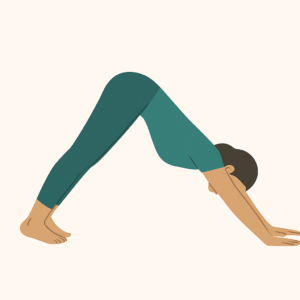
✅ Pose 13: Downward-Facing Dog
Sanskrit:Adho Mukha Svanasana Focus: Stimulates circulation, stretches major muscle groups, and supports blood sugar regulation
🧘 How to Do It
Start on hands and knees in a tabletop position.
Tuck your toes under and lift your hips toward the ceiling.
Straighten your legs as much as is comfortable and press your heels toward the floor.
Spread your fingers wide and press through your palms.
Keep your head between your arms and gaze toward your feet.
Hold for 5–10 breaths, then slowly lower.
🔬 Science Spotlight
Downward Dog increases blood flow to the brain and endocrine system, which has been linked to improved glucose regulation and lowered stress hormones, according to research published in Diabetic Medicine Journal (2021).
✨ Benefits for Diabetes & Weight Loss
Enhances circulation to digestive and endocrine organs
Stretches calves, hamstrings, spine, and shoulders
Activates core and arms for gentle strength building
Calms the mind and reduces cortisol levels
🌬️ Breath Cue
Inhale: lengthen your spine. Exhale: press your heels gently toward the floor.
⚠️ Cautions
Bend knees if hamstrings are tight. Avoid if you have wrist, shoulder, or glaucoma concerns. Use blocks under hands if needed.
❤️ Practice Tip
Try Downward Dog as a midday reset. Even 60 seconds can refresh your posture, energize your brain, and regulate your blood sugar after sitting.
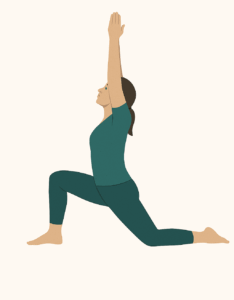
✅ Pose 14: Crescent Lunge
Sanskrit:Anjaneyasana Focus: Strengthens the legs, opens the hips, and stimulates digestion and balance
🧘 How to Do It
Start in a standing position and step your right foot back into a long lunge.
Bend your front knee so it’s directly above your ankle; keep the back leg extended and heel lifted.
Inhale and raise both arms overhead, palms facing inward.
Keep your hips squared forward and your chest lifted.
Hold for 5–10 breaths, then switch sides.
🔬 Science Spotlight
Lunging postures engage large muscle groups, which helps enhance insulin uptake in skeletal muscle, as confirmed in a 2022 study published in Frontiers in Endocrinology. Hip-opening also supports hormonal detoxification.
✨ Benefits for Diabetes & Weight Loss
Activates glutes, quads, and core for better metabolism
Opens hip flexors tightened by long sitting sessions
Stimulates digestive organs through gentle compression
Builds strength and balance without high impact
🌬️ Breath Cue
Inhale: lift arms and chest. Exhale: deepen into the lunge.
⚠️ Cautions
If you experience knee discomfort, lower the back knee to the mat or place padding underneath. Use a chair or wall for support with balance.
❤️ Practice Tip
Practice Crescent Lunge before meals to increase circulation and digestive readiness. Even a few rounds can activate fat-burning muscle fibers.
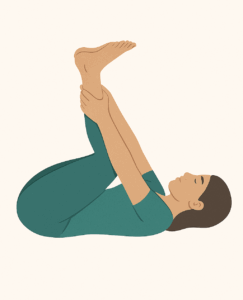
✅ Pose 15: Happy Baby
Sanskrit:Ananda Balasana Focus: Opens the hips, soothes the nervous system, and massages digestive organs
🧘 How to Do It
Lie on your back and bend your knees toward your chest.
Grab the outer edges of your feet with your hands.
Open your knees wide, bringing them toward your armpits.
Keep your ankles over your knees and gently pull downward.
Rock side to side if comfortable. Hold for 5–10 breaths.
🔬 Science Spotlight
Research in The International Journal of Yoga Therapy (2020) shows that gentle supine poses like Happy Baby stimulate the vagus nerve, reducing stress-related inflammation and promoting digestive efficiency—both crucial for diabetes prevention.
✨ Benefits for Diabetes & Weight Loss
Relieves tension in the lower back and hips
Stimulates digestion and elimination
Calms the mind and reduces stress-related cravings
Supports hormonal balance through deep relaxation
🌬️ Breath Cue
Inhale: soften your belly. Exhale: allow your hips to release.
⚠️ Cautions
Avoid this pose if you’ve had recent knee, hip, or groin surgery. Use a strap around the feet if reaching is difficult.
❤️ Practice Tip
Try Happy Baby before bed or after eating to encourage gentle digestion and reduce bloating. Use it as a natural “pressure release valve” for stress.
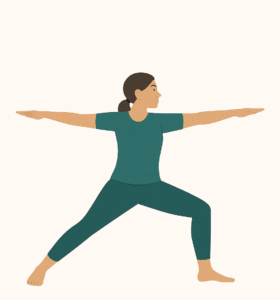
✅ Pose 16: Warrior II
Sanskrit:Virabhadrasana II Focus: Builds lower body strength, improves stamina, and enhances insulin sensitivity
🧘 How to Do It
Start in a wide stance, feet about 3–4 feet apart.
Turn your right foot out 90°, and your left foot slightly inward.
Bend your right knee so it’s directly over your ankle.
Extend arms out to the sides, parallel to the floor, palms down.
Gaze over your right fingertips and hold for 5–10 breaths.
Repeat on the other side.
🔬 Science Spotlight
According to a 2023 study in Metabolism Open, sustained weight-bearing postures like Warrior II activate fast-twitch muscle fibers and improve glucose uptake in large muscle groups, and is especially beneficial for prediabetics and those managing insulin resistance.
✨ Benefits for Diabetes & Weight Loss
Strengthens thighs, glutes, and shoulders
Enhances stamina and body awareness
Improves posture and balance
Encourages mindful focus and discipline
🌬️ Breath Cue
Inhale: expand through your arms. Exhale: sink deeper into the front knee.
⚠️ Cautions
Avoid if you have knee or hip injuries—shorten the stance or reduce the bend in your front leg. Use a wall behind your back for stability.
❤️ Practice Tip
Practice Warrior II in the morning to energize your mindset and set a strong tone for the day. It’s excellent after a grounding breath or meditation practice.
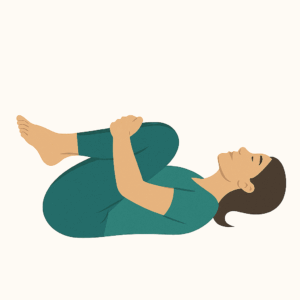
✅ Pose 17: Knees-to-Chest
Sanskrit:Apanasana Focus: Stimulates digestion, relieves bloating, and supports elimination
🧘 How to Do It
Lie on your back with legs extended.
Exhale and draw both knees toward your chest.
Wrap your arms around your shins and gently hug your knees inward.
Keep your back flat and shoulders relaxed.
Hold for 5–10 breaths, optionally rocking side to side.
🔬 Science Spotlight
This pose increases abdominal compression, which stimulates peristalsis (intestinal movement) and helps regulate the gut-brain axis, according to a 2022 review in Integrative Medicine Reports. It’s often used therapeutically to reduce constipation and metabolic stagnation.
✨ Benefits for Diabetes & Weight Loss
Aids digestion and reduces abdominal discomfort
Relieves gas, bloating, and mild cramps
Promotes gentle detoxification
Calms the mind and relaxes the lower back
🌬️ Breath Cue
Inhale: feel your belly rise. Exhale: gently hug your knees closer.
⚠️ Cautions
Avoid deep compression if you’ve had recent abdominal surgery or hernia. For a gentler version, hug one knee at a time.
❤️ Practice Tip
Use this pose after meals or before sleep to soothe digestion and signal your body to shift into rest-and-digest mode. A great pose to pair with deep breathing.
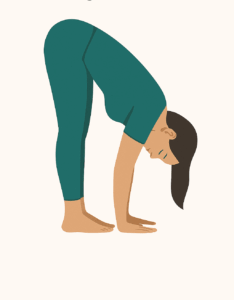
✅ Pose 18: Standing Forward Fold
Sanskrit:Uttanasana Focus: Stimulates liver and kidneys, improves circulation, and calms the mind
🧘 How to Do It
Stand tall with feet hip-width apart.
Inhale and raise your arms overhead.
Exhale and hinge at the hips to fold forward, letting your head hang.
Keep a slight bend in the knees if needed; hands can rest on the floor, shins, or a block.
Hold for 5–10 breaths, relaxing your neck and shoulders.
🔬 Science Spotlight
Inversion-style poses like Uttanasana have been shown in Diabetes Spectrum (2021) to increase parasympathetic nervous system activity, reducing cortisol and aiding glucose homeostasis. They also enhance blood flow to the abdominal organs for natural detoxification.
✨ Benefits for Diabetes & Weight Loss
Supports insulin regulation through stress reduction
Avoid if you have untreated high blood pressure, glaucoma, or recent back surgery. Always bend knees if needed for comfort.
❤️ Practice Tip
Try this pose in the morning to release overnight stiffness or mid day to reset your nervous system. Pair with deep exhalations to enhance the calming effect.
Wavesjustrelax.com is part of the IOLEBA.org family. This is our go to place for stress techniques, mindfulness readings, meditation videos of sunrises, and more.