


A hundred years ago, towns fought the highways. They did not want the noise, the dust or the strangers passing through. Factories arrived the same way, and for a while we let them poison the air and water because no one made the rules in time. The horse gave way to the automobile. The automobile gave way to the aircraft. Each time, someone said no, not here. Each time, the technology came anyway because it worked and because it built things people needed.
Now it is AI. Communities are pushing back on the data centers, the power draw, the water use and the noise. I understand this. I agree with it. These are legitimate concerns, and they deserve a real answer, not a shrug.
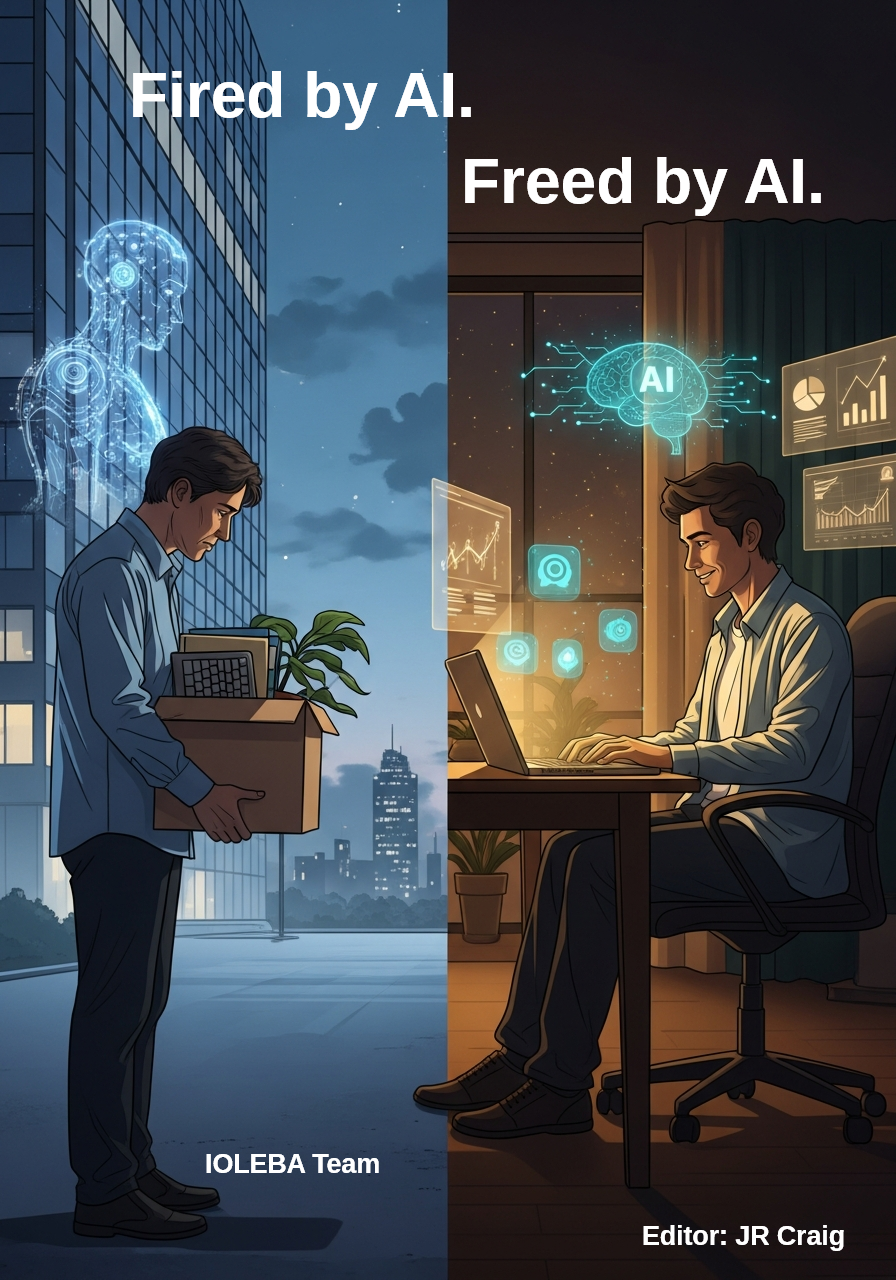
But here is what I will not agree with: pretending we can vote AI away. We cannot. It is not a fad on the way out. It is a tool already reshaping how we work, how we build businesses and how families earn a living. The question was never whether AI arrives. It already has. The question is who decides how it arrives and who it serves once it does.
Right now, the answer is too often billionaires. They raise the capital, buy the land, build the facility and move on to the next county when this one gets expensive. Local families are left holding the water bill and the noise complaint, with no seat at the table.
This is where our elected officials must stop waiting and start leading. Zoning, water rights, power allocation and community-benefit agreements are not radical demands. They are the same tools we should have used on the highways and factories a century ago. We know better now. We have no excuse to repeat the mistake.
At IOLEBA, we teach people to use AI to build something of their own, not to depend on whoever owns the server farm down the road. That is the future worth building. But it only works if our communities, not just our corporations, get to decide how.
AI is here. Let us make sure it is ours.